
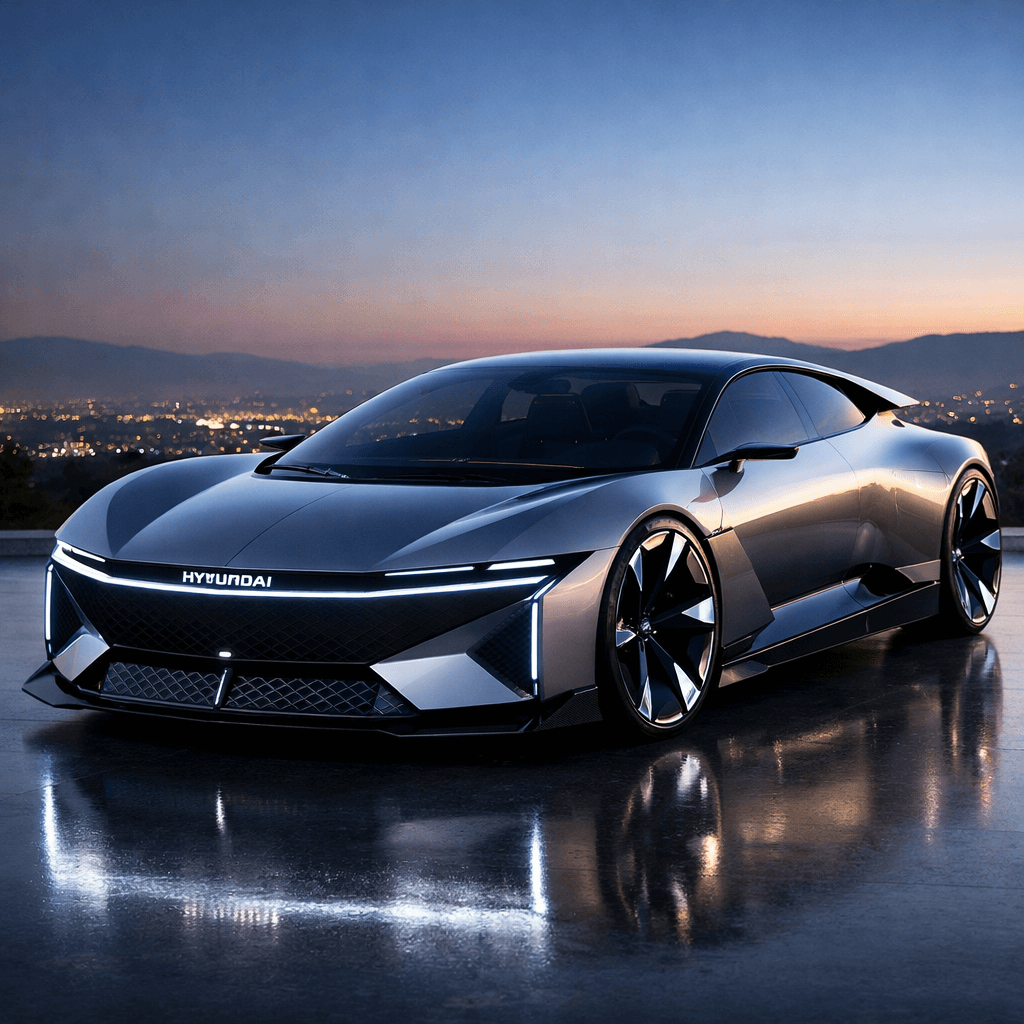
Hyundai concept car designs have reached a point where they no longer feel like design experiments. They feel like bold statements. If there’s one automaker that clearly refuses to play it safe, it’s Hyundai. Year after year, they reveal a new concept car that makes people stop scrolling, zoom in, and ask the same question.
Is this really a Hyundai?
Yes. And that’s what makes it exciting.
Hyundai has been on a serious creative run lately. Instead of soft updates or predictable shapes, they’re mixing future technology with fearless styling. It’s almost like they’re not just building cars anymore. They’re previewing alternate futures. Some of these concepts don’t even feel real. They look like props from a sci-fi movie, but with working wheels and serious engineering behind them.
Below are some Hyundai concept cars that didn’t just turn heads. They changed how people see the brand.
1. Hyundai N Vision 74
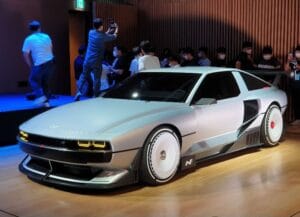
The Hyundai N Vision 74 is easily one of the most talked-about concept cars of recent years. It blends retro design with futuristic aggression in a way that feels intentional, not nostalgic for the sake of it.
At first glance, it looks like a tribute to Hyundai’s Pony Coupe from the 1970s. But the sharp edges, wide stance, and glowing yellow LED light bars give it a completely modern attitude. It looks fast even when standing still.
What truly sets this Hyundai concept car apart is what’s underneath.
It uses a hydrogen fuel-cell hybrid system, paired with electric motors. Instead of relying fully on large battery packs, Hyundai explored an alternative performance path. That alone makes the N Vision 74 more than just a design exercise.
It’s a reminder that performance and sustainability don’t have to follow the same formula every time.
https://www.hyundai-n.com/en/models/rolling-lab/n-vision-74.do
2. Hyundai RN22e
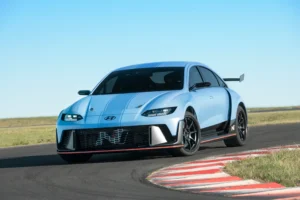
The RN22e is Hyundai showing its racing side. This concept car is loud in design, aggressive in posture, and clearly built to test limits.
Based on Hyundai’s E-GMP electric platform, the RN22e previews what future high-performance electric N models could become. The wide body, oversized aero parts, and massive brakes aren’t for show. This car was built to handle track abuse.
Hyundai even experimented with sound simulation and torque control to make the driving experience feel more engaging. Because let’s be honest. One of the biggest complaints about EVs is that they feel too quiet and too smooth.
This concept car directly addresses that concern.
3. Hyundai Prophecy
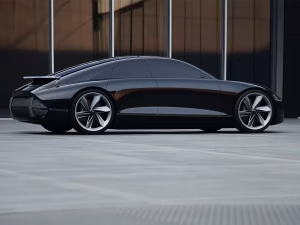
The Hyundai Prophecy concept car is the complete opposite of aggressive. It’s calm. Smooth. Almost meditative.
The exterior looks sculpted rather than designed. No sharp edges. No dramatic creases. Just flowing curves that focus heavily on aerodynamics and balance. Hyundai described it as “pure,” and that feels accurate.
Inside, things get even more experimental.
There’s no traditional steering wheel. Instead, Hyundai replaced it with joystick-style controls. The idea wasn’t about shock value. It was about rethinking how humans interact with machines in a future where driving may not always require constant attention.
This concept car shows Hyundai’s softer, more thoughtful design side. It’s less about speed and more about experience.
4. Hyundai Seven Concept
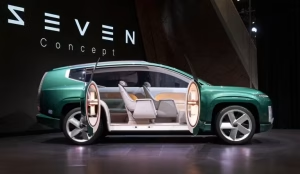
The Hyundai Seven Concept gives us a clear look at where large electric SUVs are heading. And it’s not toward sportiness. It’s toward comfort.
This concept car previews the upcoming Ioniq 7 and focuses heavily on interior experience. The exterior is boxy and clean, but the real magic happens inside.
Swiveling seats. Flat floors. Lounge-style layouts. Soft lighting. It feels more like a modern living room than a vehicle cabin.
Hyundai clearly understands that as electric driving becomes quieter and smoother, people will expect interiors to feel calmer too. The Seven Concept is built around that idea.
Long road trips suddenly feel less tiring when your car feels like a relaxing space rather than a cockpit.
5. Hyundai Elevate
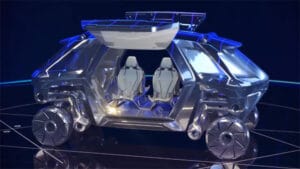
This is where Hyundai truly went wild.
The Hyundai Elevate is not your normal concept car. It has robotic legs. Actual moving legs that allow the vehicle to walk over obstacles, climb uneven surfaces, and step across rough terrain.
Hyundai developed this concept for rescue and emergency missions. Think earthquakes, floods, or collapsed structures where regular vehicles can’t go.
It looks strange. Almost unsettling. But it also makes sense.
This concept car shows how mobility doesn’t have to mean rolling on four wheels forever. Hyundai explored movement itself as a design problem.
And that’s what concept cars are supposed to do.
6. Hyundai Ioniq 6 Concept Series
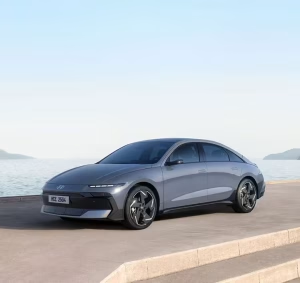
Before the Ioniq 6 reached production, Hyundai revealed several concept versions that focused heavily on aerodynamics and efficiency.
These concepts featured:
-
Long, continuous light bars
-
Smooth fastback silhouettes
-
Clean body surfaces
-
Minimal design interruptions
The goal was simple. Reduce drag. Improve efficiency. Create emotional design without unnecessary complexity.
What’s impressive is how much of the concept design actually made it into the final production car. That shows Hyundai treats its concept cars as real design foundations, not just showpieces.
7. Hyundai Pony Heritage Series

Hyundai’s Pony Heritage concept proves nostalgia can be done right.
Instead of simply copying the past, Hyundai reimagined its original Pony with modern EV tech, pixel lighting, and a clean, digital interior. The result feels respectful, not forced.
This concept car connects Hyundai’s history with its electric future. It reminds people that Hyundai didn’t appear overnight. It has roots. And now it’s evolving them.
Why Hyundai Concept Cars Matter Right Now
A Hyundai concept car isn’t just about visuals. It’s about direction.
These concept cars show:
-
Where Hyundai’s design language is heading
-
How they approach electric performance
-
Their ideas about future interiors
-
Their willingness to experiment
-
Their confidence as a global brand
Many automakers play it safe with concepts. Hyundai doesn’t. They take risks. And some of those risks actually make it to production.
That’s what makes their concept cars worth paying attention to.